Clinical psychologist · Online sessions

If you're struggling with anxiety or with the effects of painful past experiences that continue to affect your life, I offer a therapeutic space where we can work together to create a way forward for you through understanding, exploration, processing and reconnecting with your self and with life.

English & UrduOnline via Aman
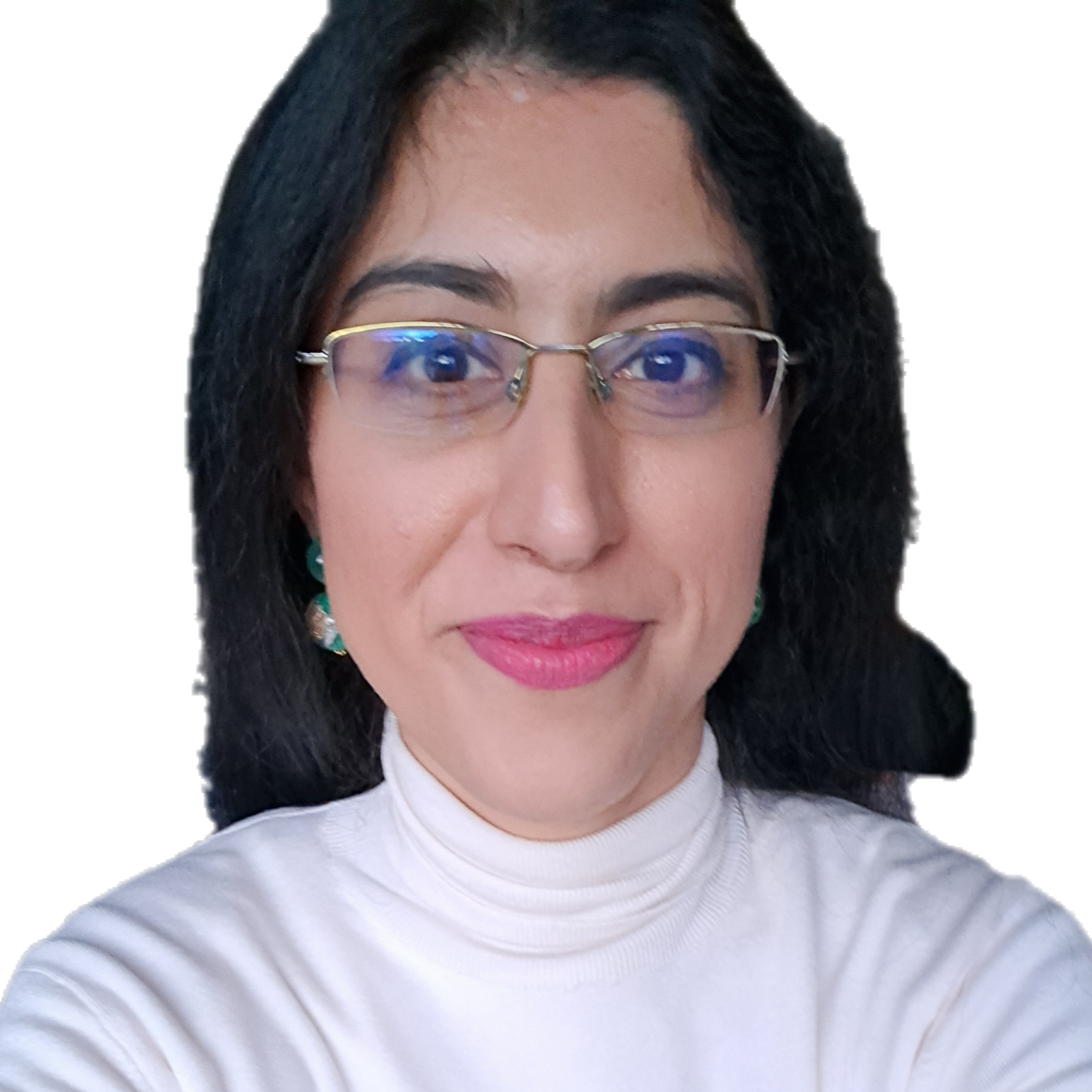
Farah Tiwana — portrait

Farah Tiwana · Clinical psychologist

About me

Hello — I'm Farah.

I was drawn to psychology through my interests in humanities, social sciences and pop culture. This allows me to bring a broad perspective on human experiencing to my work with clients.

I endeavour to offer a warm, non judgmental therapy space, where we'll look at your difficulties as well as your strengths, recognising your resilience and the ways in which you've adapted to survive challenges and adversities.

Symptoms of distress will be understood as having a meaning unique to you, rather than just as criteria for a diagnostic label.

Continuing my professional development in psychology and working clinically for over a decade now, I utilise a framework that:

1. Acknowledges the role of wider, external systems on individual mental health (the power threat meaning framework & other anti oppressive approaches)

2. Aims to empower the client to respond to their circumstances and nurture their wellbeing in ways that are possible within their social and cultural contexts

3. Places therapists and clients as collaborators working together towards agreed upon goals

I specialise in working with anxiety based mental health concerns, PTSD (Post Traumatic Stress Disorder), and with adults wishing to address the impact of childhood parentification, emotional trauma, neglect or sexual abuse.
My approach

What I hold to.

01

Relational

I believe we heal in connection. We learn who we are and how to make sense of our experiences and life through our earliest relationships. Therapy offers us an opportunity to identify how we typically relate to others via the therapist and client relationship, and offers a unique opportunity for a new, healthier relational stance.

02

Anti Oppressive

I believe we do not exist in vacuums. For therapy to be meaningful, I commit to an anti oppressive lens, recognising that wider systemic factors and social injustices such as various discriminations, inequalities and inequities, affect each of us and the possibilities of our lives.

How I work

The methods I bring to the room.

Psychodynamic

Clients come in for regular sessions and speak about their concerns, trying not to hold anything back. I, as the therapist, listen carefully and make observations about the client, and what they are saying or doing. I may share these with the client, and we may explore together what seems important and what may be behind the surface of it. We identify the typical ways clients relate to themselves

CBT

Clients participate actively in therapy, expressing their concerns and working collaboratively with me, the therapist, to understand, explore and proactively address these concerns. Client and therapist will have agreed goals for therapy and will revisit goals after a set period of time for a progress review.

What I can help with

  • People diagnosed with an anxiety based condition (panic attacks, panic disorder, generalised anxiety disorder, phobias)I offer cognitive behavioural exposure therapy, through which clients gain mastery over their anxiety triggers and are able to recover.
  • People diagnosed with PTSDI use cognitive behavioural and cognitive processing therapy for clients with PTSD, whereby we work together to identify the impact of traumatic experiences on their sense of self, beliefs and functioning; address these impacts using cognitive behavioural strategies; and find their way towards re engaging with life
  • Adults with histories of childhood traumaUsing a relational psychodynamic stance, I am to co create an empathetic, safe enough therapeutic space with adult clients who experienced trauma in childhood or adolescence (physical abuse, sexual abuse, emotional abuse or neglect). Our therapeutic relationship becomes an important part of our work together, making it possible to recognise, mourn, process and release adverse events
Farah Tiwana — portrait

My journey

How I got here.

  • Institute of Psychiatry, Psychology & Neuroscience at King's College LondonMSc Mental Health Studies (Distinction)
  • University of BristolBSc Psychology

Get in touch

If any of this sounds like you, let's talk.

You don't need the right words or a clear reason to reach out. Book a first session and we'll take it from there — or send an email if you'd rather ask something first.

Sessions held via Aman · English & Urdu · Online